OnAir Post: Winter 2023 News
About Taiwan
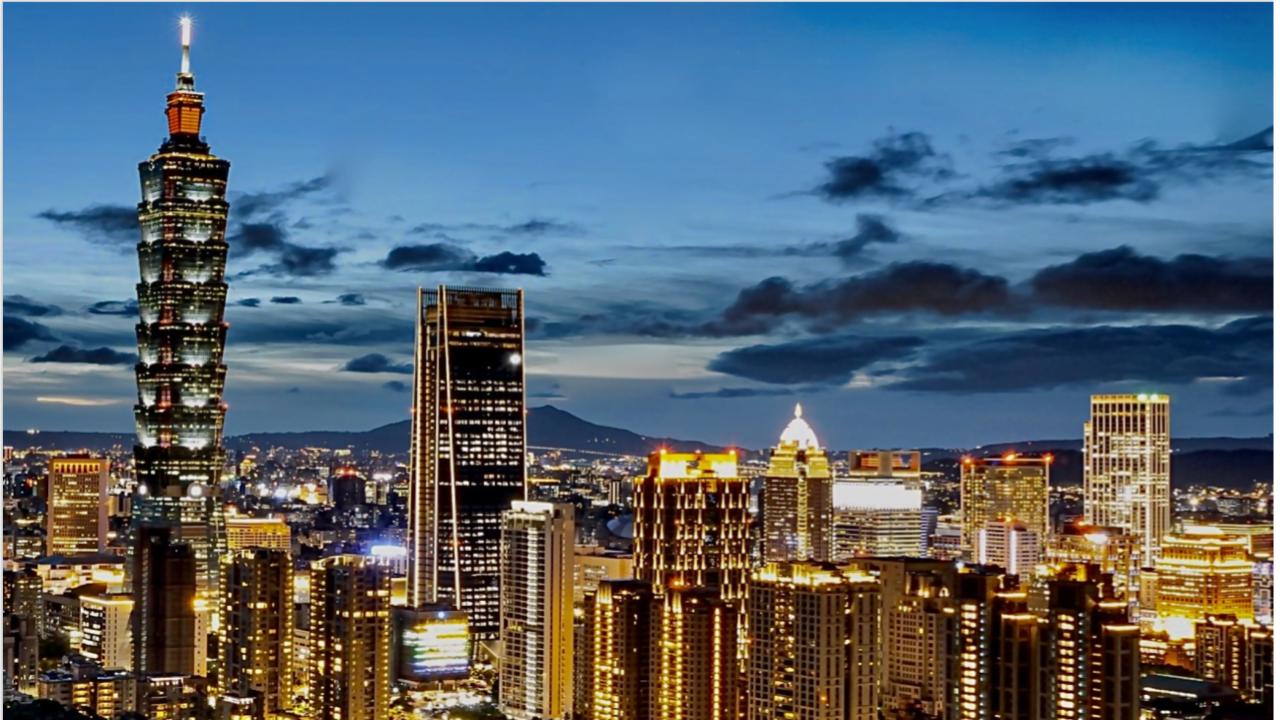
Taiwan, officially the Republic of China (ROC), is a country in East Asia, at the junction of the East and South China Seas in the northwestern Pacific Ocean, with the People’s Republic of China (PRC) to the northwest, Japan to the northeast, and the Philippines to the south. The territories controlled by the ROC consist of 168 islands,[p] with a combined area of 36,193 square kilometres (13,974 sq mi).
The main island of Taiwan, also known as Formosa, has an area of 35,808 square kilometres (13,826 sq mi), with mountain ranges dominating the eastern two-thirds and plains in the western third, where its highly urbanised population is concentrated. The capital, Taipei, forms along with New Taipei City and Keelung the largest metropolitan area of Taiwan. Other major cities include Taoyuan, Taichung, Tainan, and Kaohsiung. With around 23.9 million inhabitants, Taiwan is among the most densely populated countries in the world.
Source: Wikipedia
OnAir Post: About Taiwan
Taiwan Economy
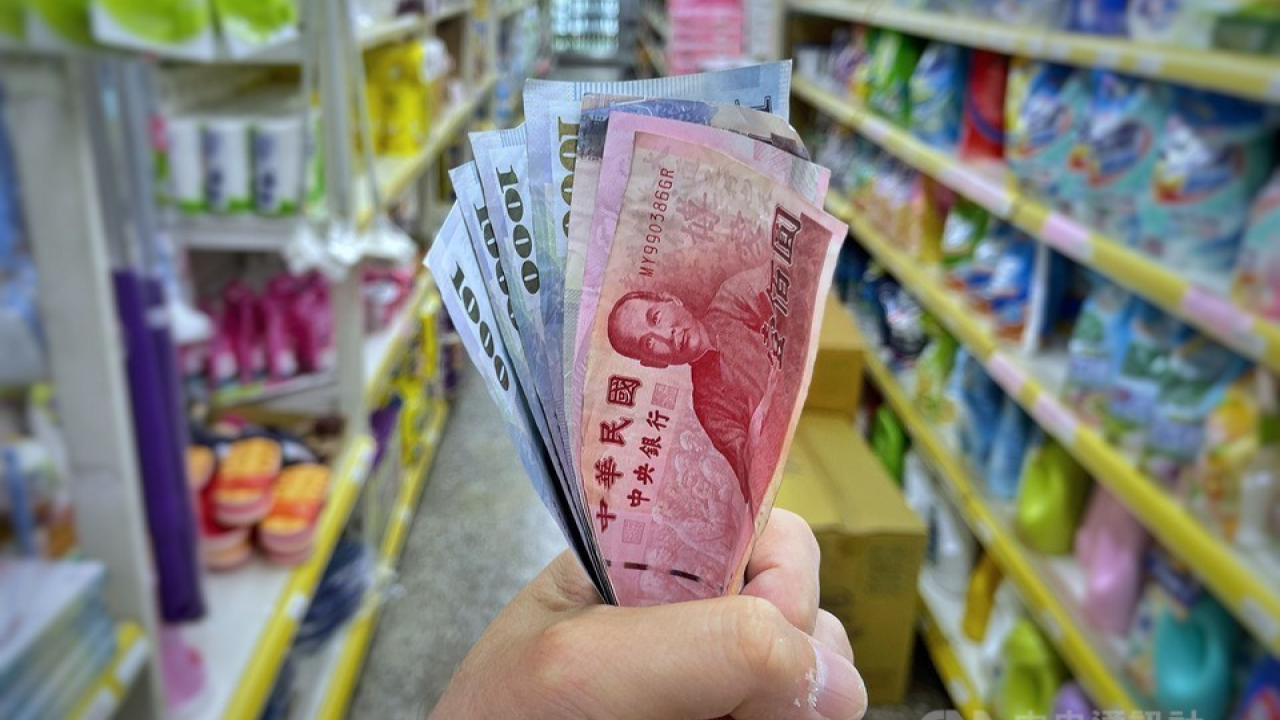
Overview: The economy of Taiwan is a highly developed market economy. It is the 8th largest in Asia and 18th-largest in the world by purchasing power parity, allowing Taiwan to be included in the advanced economies group by the International Monetary Fund. It is gauged in the high-income economies group by the World Bank. Taiwan is one of the most technologically advanced computer microchip makers in the world.
The recordkeeping and development of the economic history of Taiwan started in the Age of Discovery. In the 17th century, the Europeans realized that Taiwan is located on the strategic cusp between the Far East and Southeast Asia. Two main European empires that competed to colonize it were the Dutch and Spanish Empires. Taiwan also became an intermediate destination for trade between Western European empires and East Asia states. The history of Taiwan as a colony of the Dutch Empire, Kingdom of Tungning, Qing China, and Empire of Japan between 1630 and 1945 was based heavily on economics.
In the 1950s, the Republic of China (ROC) government, retreated to Taiwan after losing the Chinese Civil War, carried out land reform policies such as the 375 Rent Reduction.[1][2] In the 1960s, the agrarian economy was replaced with light industry as small and medium enterprises started to form. From 1966 to 1980, Taiwan’s economy was gradually stabilized as the Ten Major Construction Projects laid a foundation in further economic developments. After the 1980s, the role of government in the economy gradually lessened as many government-owned corporations were privatized.
Source: Wikipedia
OnAir Post: Taiwan Economy

Taiwan Health
Overview: Healthcare in Taiwan is administered by the Ministry of Health and Welfare of the Executive Yuan. As with other developed economies, Taiwanese people are well-nourished but face such health problems as chronic obesity and heart disease. In 2002 Taiwan had nearly 1.6 physicians and 5.9 hospital beds per 1,000 population. In 2002, there were 36 hospitals and 2,601 clinics in the country. Per capita health expenditures totaled US$752 in 2000. Health expenditures constituted 5.8 percent of the gross domestic product (GDP) in 2001 (or US$951 in 2009[2]); 64.9 percent of the expenditures were from public funds. Overall life expectancy in 2019 was averaged at 81 years.
Recent major health issues include the SARS crisis in 2003, though the island was later declared safe by the World Health Organization (WHO).
Source: Wikipedia
OnAir Post: Taiwan Health
Taiwan Education
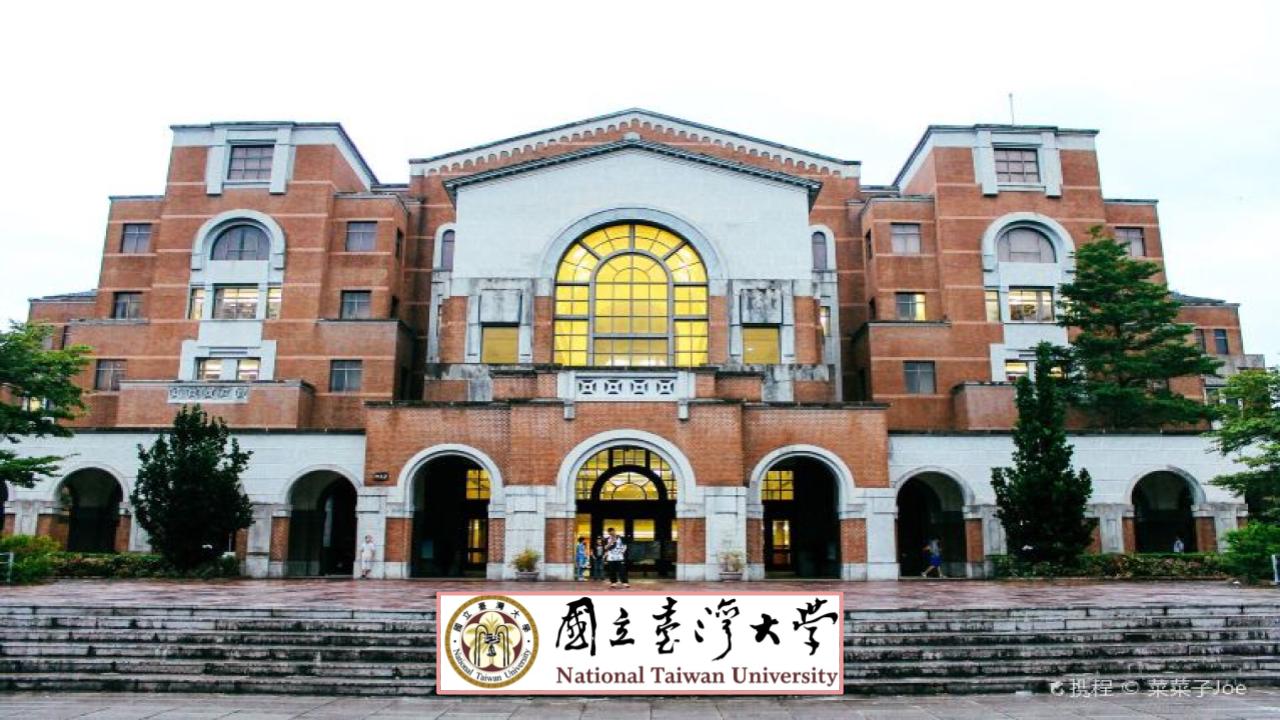
The educational system in Taiwan is the responsibility of the Ministry of Education. The system produces pupils with some of the highest test scores in the world, especially in mathematics and science.[2][3] Former president Ma Ying-jeou announced in January 2011 that the government would begin the phased implementation of a twelve-year compulsory education program by 2014.
Source: Wikipedia
OnAir Post: Taiwan Education
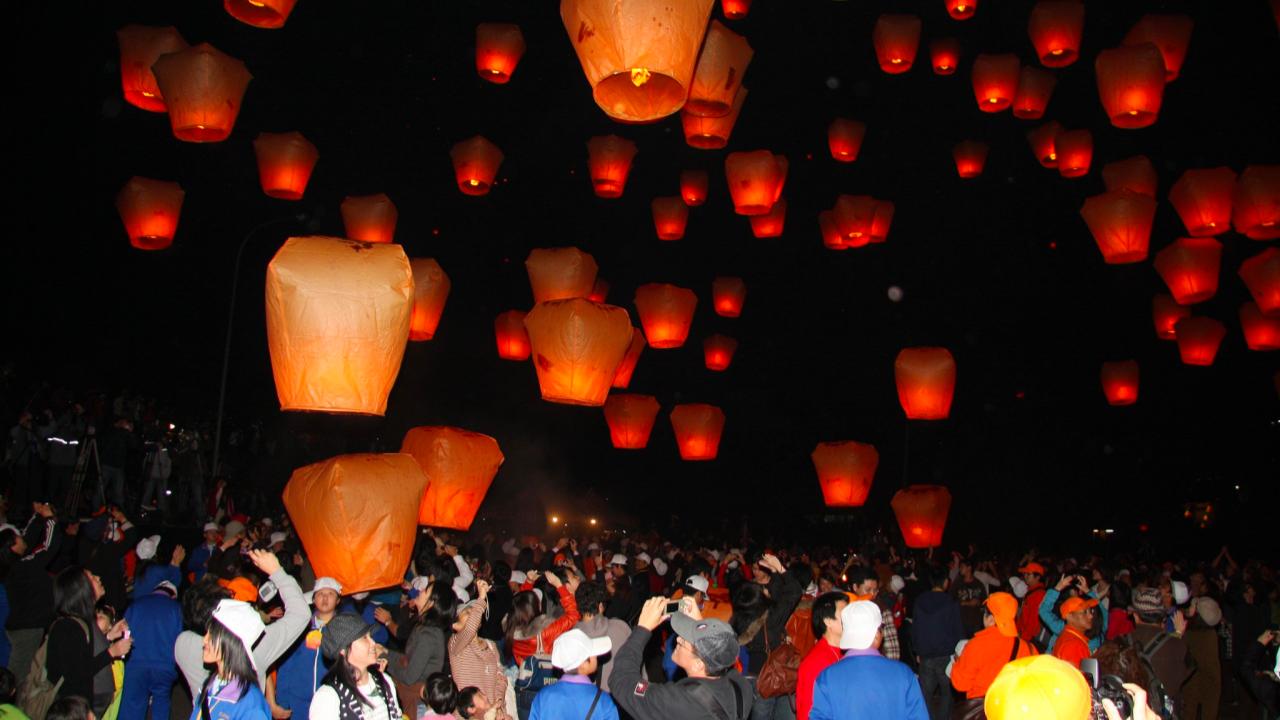
Taiwan Culture
The culture of Taiwan is a blend of Confucian Chinese and indigenous Taiwanese cultures. Despite the overwhelming traditional Chinese influence, Japanese culture has influenced Taiwanese culture as well. The common socio-political experience in Taiwan gradually developed into a sense of Taiwanese cultural identity and a feeling of Taiwanese cultural awareness, which has been widely debated domestically.
Reflecting the continuing controversy surrounding the political status of Taiwan, politics continues to play a role in the conception and development of a Taiwanese cultural identity, especially in the prior dominant frame of a Taiwanese and Chinese dualism. In recent years, the concept of Taiwanese multiculturalism has been proposed as a relatively apolitical alternative view, which has allowed for the inclusion of mainlanders and other minority groups into the continuing re-definition of Taiwanese culture as collectively held systems of meaning and customary patterns of thought and behavior shared by the people of Taiwan.
Source: Wikipedia
OnAir Post: Taiwan Culture
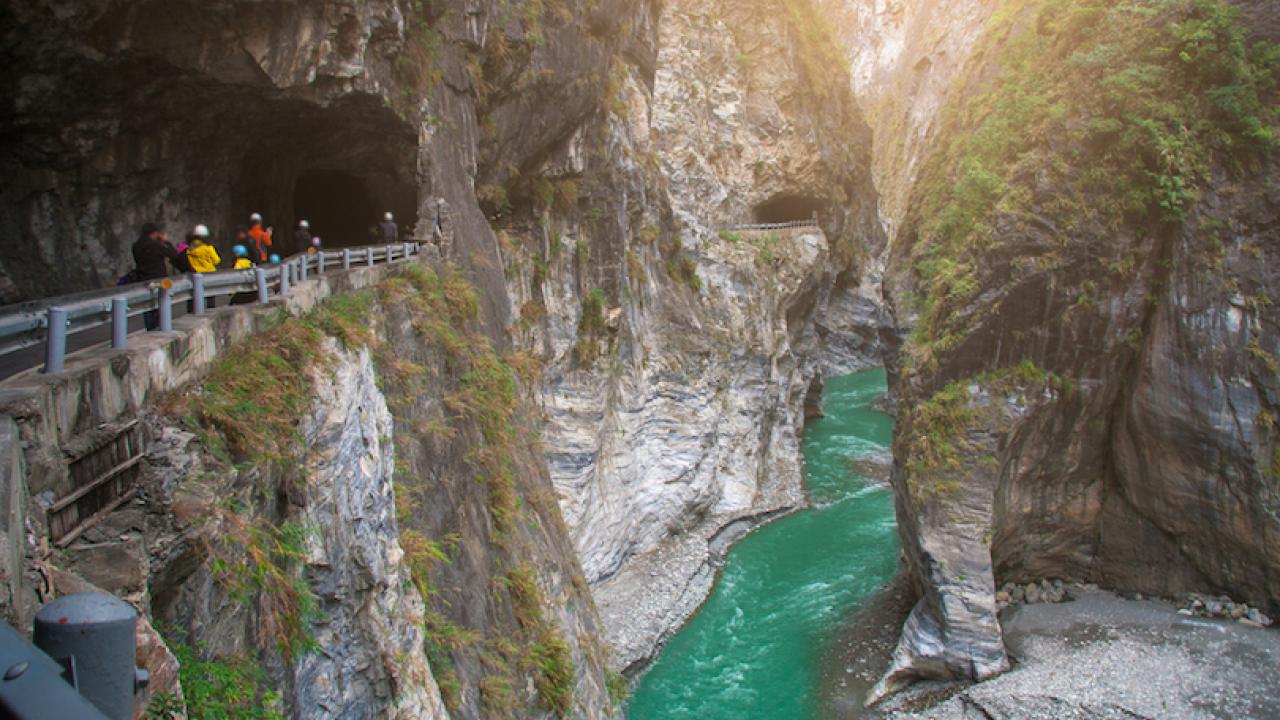
Taiwan National Parks
National parks of Taiwan are protected spaces for the nature, wildlife, and history under their current jurisdiction. Currently there are nine national parks in Taiwan, all under the administration of the Ministry of the Interior. These national parks cover 7,489.49 square kilometres (2,891.71 sq mi). The 3,103.76-square-kilometre (1,198.37 sq mi) total land area constitutes around 8.6% of the entire land area of the country.
The first national parks were designated for establishment in 1937, when Taiwan was under Japanese rule, though never formally managed as such. After World War II, calls for protecting the natural environment were met with opposition due to the prioritization of economic development. The National Park Law was passed in 1972 and the first national park was established in 1984.
National parks should not be confused with national scenic areas. The national scenic areas are administered by the Tourism Bureau of the Ministry of Transportation and Communications. There are also different philosophies that govern the development of the two types of areas. For a national park, the emphasis is on the preservation of natural and cultural resources, with development for human utilization being a secondary priority
OnAir Post: Taiwan National Parks